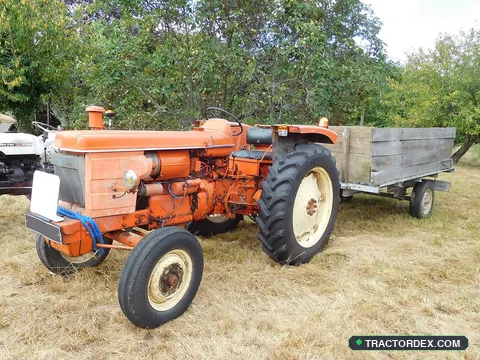
Renault Super 6
Traduction française indisponible ; contenu anglais affiché.
Années de production: 1964–1965
Sources et preuves par champ
Cette fiche importée ne contient pas encore de preuves au niveau des champs.
Ask TractorDex AI Copilot About Super 6
Instant technical consultation powered by heavy machinery knowledge
Engineering & Capability Benchmark
Specific output, tractive ratio, and segment percentile
Caractéristiques du moteur et de la puissance
- Modèle du moteur
- MWM AKD 112 D
- Carburant
- Diesel
- Puissance nominale
- 40 hp
- Rated PTO Power
- N/A (Renault specification)
- Cylindres
- 3
- Cylindrée
- 2.7 L (165.7 ci)
- Alésage / course
- 3.858x4.724 inches 98 x 120 mm
- Régime nominal
- 2000 RPM
- Capacité d’huile moteur
- N/A
- Capacité de liquide de refroidissement
- N/A
Maintenance picks for the Super 6
Filters, oil and common wear parts for this model.
Caractéristiques de transmission et de châssis
- Type de transmission
- N/A
- Rapports (avant / arrière)
- 6 avant / 1 arrière
- Système d’entraînement
- 2WD
- Empattement
- 72.8 in
- Pneu avant
- 6.00-16
- Pneu arrière
- 12.4-28
- Débit hydraulique
- 4.5 GPM
- Attelage arrière
- N/A
Implement Draft & Ballast Matcher
Simulate draft resistance, drawbar power transfer, and optimal axle weight distribution for Renault Super 6.
Engine demand (83.4 HP) exceeds rated power (40 HP). Reduce working speed by 1.0-1.5 mph or reduce working width.
Instant Used Market Valuation Projector
Algorithmic resale estimate for Renault Super 6 (1964)
Direct Segment Rivals & Showdowns
Head-to-head match-ups calibrated by horsepower and era
Looking for a used Renault Super 6?
Browse live listings and auction results near you.
Comparer des machines similaires
Renault
France • 209 Models
Renault Agriculture S.A.S., established in 1918, emerged from the innovative spirit of the French automobile giant Renault, which initially repurposed its military vehicle expertise to enter the agricultural machinery sector. This strategic pivot marked the beginning of Renault's significant contributions to agricultural technology, particularly in the realm of tractor manufacturing. Throughout much of the 20th century, Renault Agriculture established itself as a key player in the European agricultural machinery market, known for its robust and reliable tractors that catered to both small-scale farmers and large agricultural enterprises. The division's growth was characterized by strategic partnerships and collaborations with other industry leaders, which further solidified its position. However, the early 2000s saw a shift in Renault's corporate strategy, leading to the sale of its agricultural division to German competitor Claas between 2003 and 2008. This divestment marked the end of Renault's independent presence in the agricultural machinery sector. Following the acquisition, Renault Agriculture was officially dissolved in 2008, with its operations, facilities, and intellectual property integrated into Claas' tractor division. The legacy of Renault Agriculture endures through Claas' continued success and the technological advancements that have been built upon the foundation laid by Renault's pioneering work in the field.
View Full Renault Lineup